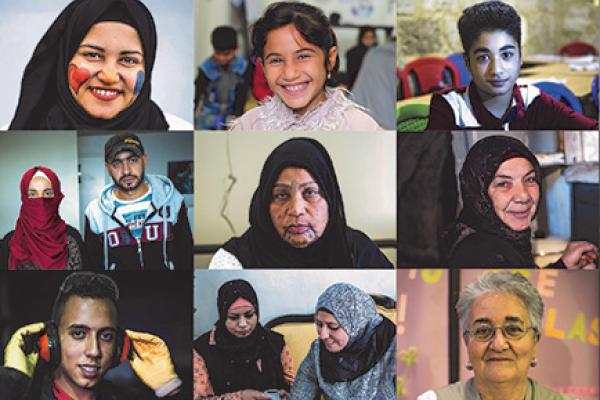
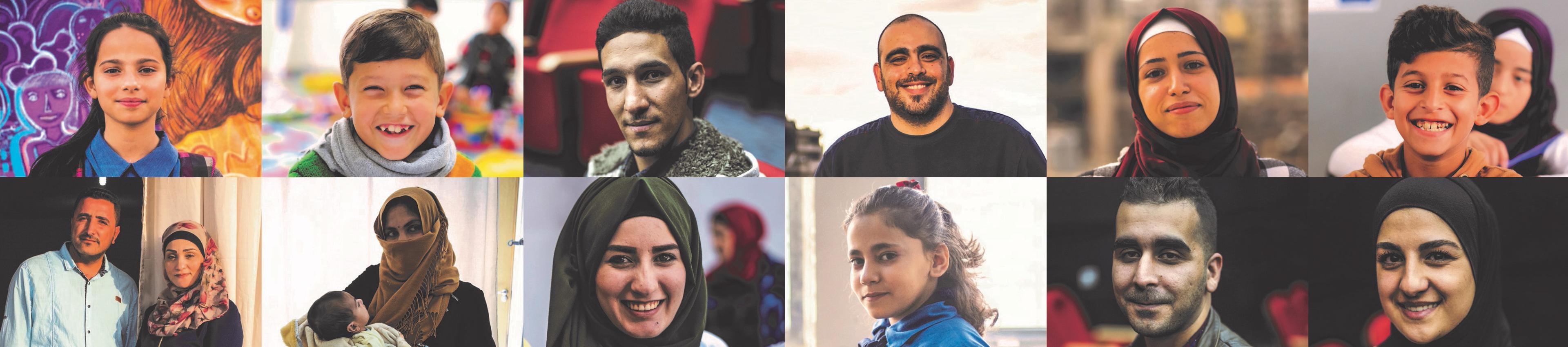
The EU Regional Trust Fund in response to the Syrian crisis, also known by the Arabic term “Madad” which translates to ‘sustaining’ or ‘reinforcing’ in English, places the EU at the forefront of the international response to the Syrian crisis: it contributes to address the critical needs of 5.6 million Syrian refugees, their host communities and 6.7 million persons displaced in their own country (internally displaced people, IDPs).
Since its establishment in December 2014, the EUTF Syria - Madad has mobilised EUR 2.38 billion, including contribution from 21 Member States, Türkiye and the United Kingdom: this funding allowed for 129 crucial projects in the sectors of basic and higher education, livelihoods, health, water and sanitation (WASH), protection and social cohesion.
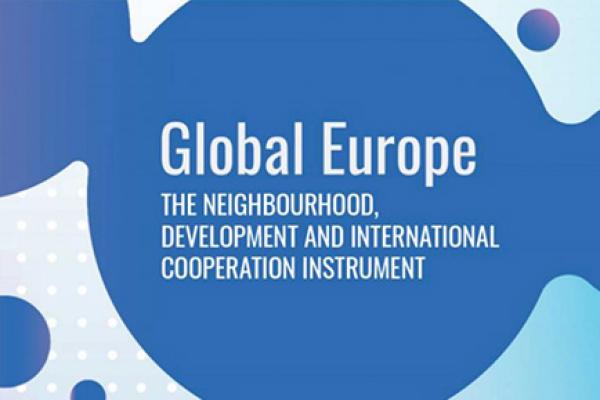
The EUTF Syria - Madad officially ended in December 2021, with projects running until June 2025. However, the EU response to the Syrian crisis is set to continue through the transition to the “Neighbourhood, Development and International Cooperation Instrument” (NDICI, also known as “Global Europe”).
Overall impact
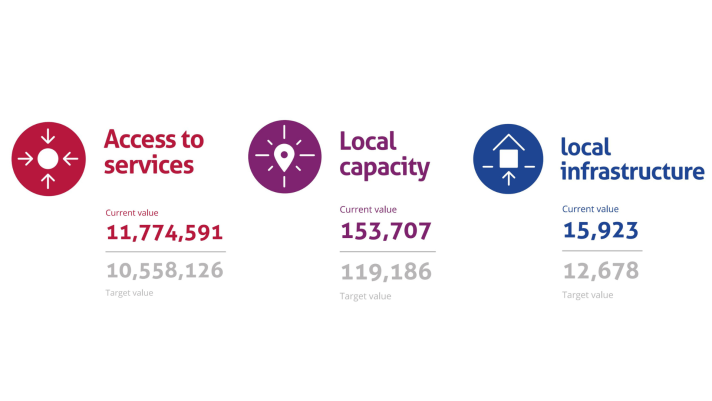
Since its establishment, the EUTF Syria - Madad has achieved the following results to the benefit of refugees, host community members and IDPs:
Geographic scope
The EUTF-funded actions are being delivered in three priority countries: Lebanon, Jordan and Iraq. Türkiye has also been the recipient of substantial funding, with minor interventions covering the Western Balkans, Armenia, Egypt and Syria. All projects are featured in a dedicated web platform: find it here.
To carry out operations on ground, the EUTF Syria - Madad works with international organisations, EU Member States Agencies and development banks, Non-Governmental Organisations (NGOs), partner governments and international financial institutions.